
June 18, 2026
If you are dreaming about a Big Island life that feels slower, greener, and more connected to place, Hawi may stand out right away. This North Kohala community offers a very different rhythm from busier resort areas, with a historic town center, open landscapes, and a strong sense of local character. If you want to understand what living here can actually feel like, this guide will walk you through daily life, the landscape, and the kinds of homes that fit the area. Let’s dive in.
Hawi is a village-scaled community on the northern tip of Hawaiʻi Island. Hawaii County community profiles place Hawi at 2,268 residents, which helps explain why it feels close-knit and easy to navigate day to day.
That smaller scale shapes how life unfolds. Instead of a spread-out town with long lists of chain stops, Hawi is known for a compact main-street experience where local businesses, casual errands, and community routines often overlap.
Go Hawaiʻi describes Hawi as a historic former sugar town with colorful plantation-era buildings that now house galleries, boutiques, restaurants, coffee spots, and locally made goods. That gives the town a walkable, visually distinct center with a lot of personality packed into a small area.
For many people, that means daily life feels less hurried. You might pick up a few things in town, stop for coffee, browse local goods, and run into familiar faces all in the same stretch.
The Hawi Farmers’ Market is listed by Slow Food Hawaiʻi at the corner of Akoni Pule Highway and Hawi Road under the banyan trees, operating on Saturdays and Tuesdays. Market days can help shape the week in a way that feels grounded and local.
In a place like Hawi, routines are often tied to simple, recurring moments like produce pickup, shared conversations, and time outdoors. That can be a meaningful change if you are coming from a faster-paced area.
Hawi’s identity is not only practical. Go Hawaiʻi highlights the town’s galleries and handmade goods, which reflect a visible creative side in the community.
The broader North Kohala area also includes wellness and retreat-oriented businesses that describe spa services, classes, and restorative programming along the coast. Together, those elements support a lifestyle that many people experience as both culturally active and calming.
One of the biggest lifestyle differences in Hawi is the climate. NOAA notes that Hawaiʻi’s mountains create major climate differences over short distances, and temperatures generally drop about 3°F per 1,000 feet of elevation.
USDA soil data associated with the Hawi area places it on the low-elevation windward slopes of Kohala Mountain, with roughly 25 to 40 inches of annual rainfall and mean annual temperatures around 70 to 76°F. In practical terms, Hawi often feels lusher and more moderate than the nearby Kohala Coast.
If you are considering a move to North Kohala, it helps to think in terms of microclimates rather than broad island averages. A short drive can bring changes in temperature, rainfall, wind, and landscape.
That local variation is part of what makes Hawaiʻi Island so distinctive. In Hawi, it often shows up as greener scenery, cooler air, and a more upland feel than many visitors first expect.
The drive into Hawi tells part of the story. Go Hawaiʻi notes that as you travel north on Highway 270, lava landscapes give way to green pastures before the road continues toward Pololū Valley.
That transition says a lot about the feeling of the area. Hawi is not just scenic in a postcard sense. It is a place where open space, pastureland, and dramatic terrain are part of everyday visual life.
Living in or near Hawi also means being close to places with strong cultural and historical significance. Hawaiʻi State Parks describes Lapakahi State Historical Park as the remains of an ancient Hawaiian fishing village.
Puʻukoholā Heiau National Historic Site shares history tied to the early formation of the Hawaiian Kingdom. These nearby landmarks add depth to the region and remind you that this landscape carries stories far beyond the present day.
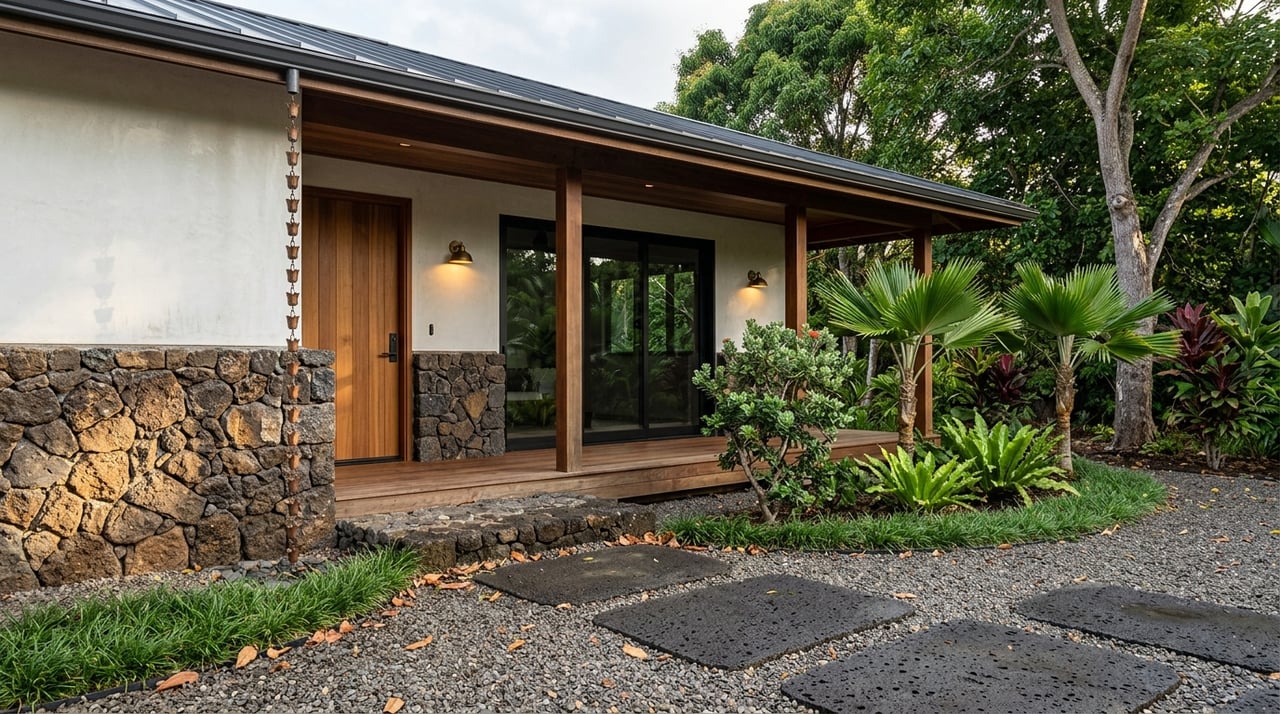
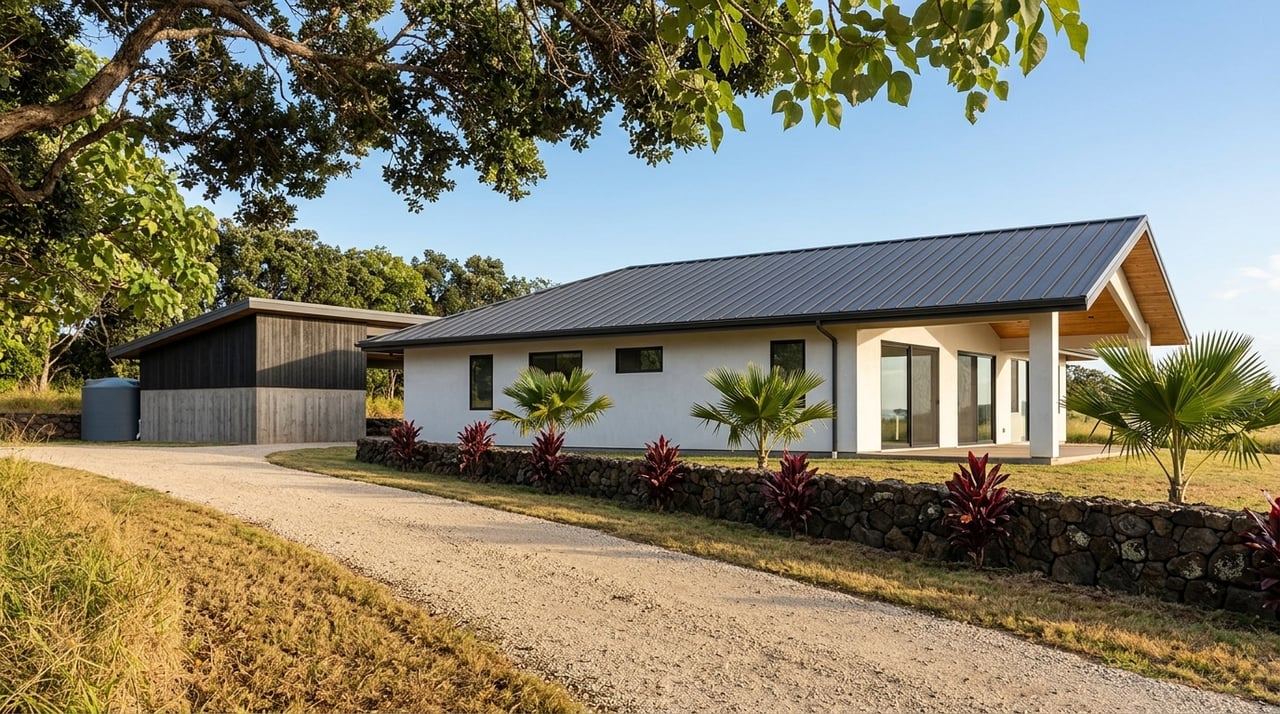
From a housing perspective, Hawi is best understood as a village-and-lands market. The historic core is associated with plantation-era buildings, while the surrounding district supports a more rural housing pattern.
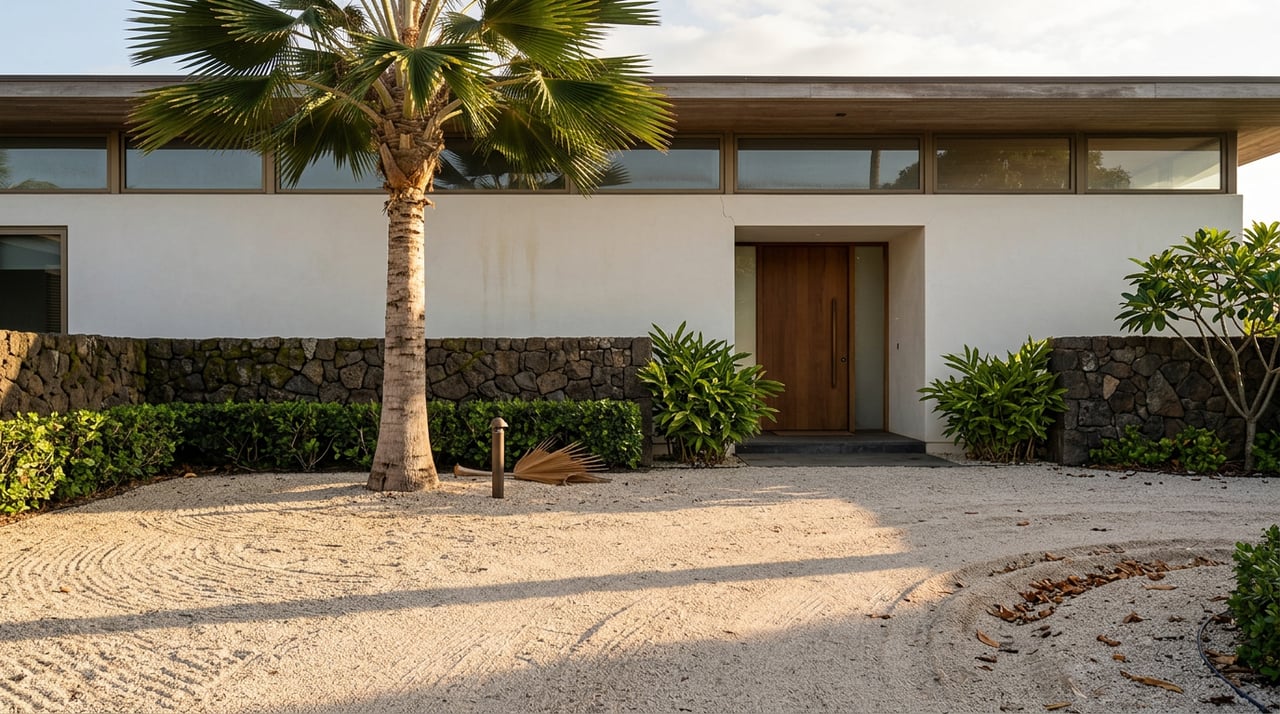
That means you are more likely to find a mix of plantation-style homes, village residences, rural homesteads, and larger acreage properties than a dense condo setting. If you are looking for space, character, or a stronger connection to the land, Hawi may offer a better fit than more urban or resort-focused parts of the island.
The Kohala Community Land Trust describes its mission around acquiring and rehabilitating existing housing stock, supporting commercial and agricultural land uses, and protecting Kohala’s rural character. That speaks to a broader local value system centered on stewardship and long-term care for place.
For buyers and sellers alike, this matters. In Hawi, real estate is often about more than floor plans or finishes. It can also be about setting, authenticity, and how a property fits into the larger character of North Kohala.
The wider North Kohala area includes properties with more room to spread out. As one example from the district, Kohala Ranch notes that its lots range from under one acre to 10 acres.
That does not define Hawi itself, but it does help illustrate the land-oriented nature of the broader market. If your vision includes privacy, open views, or a more spacious homesite, North Kohala offers a very different experience from compact coastal inventory.
Hawi often appeals to people who want their surroundings to feel meaningful, calm, and rooted in place. If you value a slower pace, local businesses, open landscapes, and a strong sense of regional identity, this area may feel aligned with the life you want to build.
It can also be a compelling option if you are comparing different parts of Hawaiʻi Island and want something greener and more village-scaled. Hawi is not trying to be a resort center, and that is exactly the point for many buyers.
Every community comes with tradeoffs, and Hawi is no exception. Its appeal is tied to its small scale, rural character, and North Kohala setting, so it helps to be honest about what kind of daily rhythm fits you best.
Before you buy, it may help to think through a few lifestyle questions:
If your answers lean yes, Hawi may deserve a closer look.
Some places stand out because they offer more than a house. Hawi is one of them. Its historic main street, green North Kohala landscape, creative energy, and rural character combine into a lifestyle that feels distinct on Hawaiʻi Island.
For many people, calling Hawi home would mean choosing a place that feels grounded, scenic, and deeply connected to its surroundings. If that kind of life speaks to you, Hawi is worth exploring with care and local insight.
If you are considering a move in North Kohala or elsewhere on Hawaiʻi Island, ʻĀina Luxury Realty offers personalized guidance rooted in aloha, stewardship, and a deep respect for place.
Stay up to date on the latest real estate trends.
At ʻĀina Luxury Realty, we offer personalized service and unmatched island expertise. Reach out today, and let’s make your Big Island real estate goals a reality. Thank you and Mahalo