
June 25, 2026
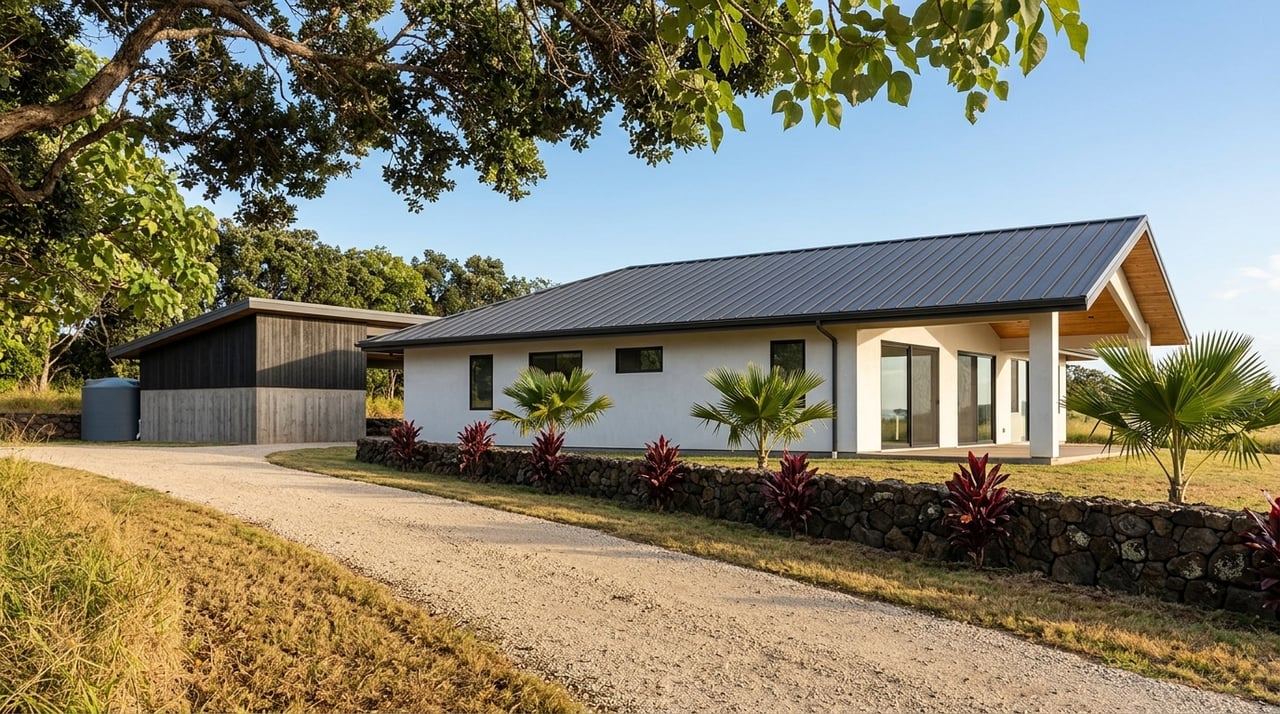
Dreaming about open land in North Kohala? Hawi acreage can offer space, privacy, and a strong connection to the land, but it also asks more of you than a typical house purchase. If you are considering a countryside estate here, you need to look beyond the view and understand water, access, wastewater, zoning, and long-term stewardship. Let’s dive in.
Hawi sits in the North Kohala district, where land decisions are shaped by a broader planning framework tied to land use, roads, parks, infrastructure, watersheds, and natural resources. That matters because rural property here is rarely a simple plug-and-play purchase. Each parcel can come with its own mix of opportunities, limits, and responsibilities.
For that reason, Hawi is best approached one property at a time. Hawaiʻi County provides tools such as zoning and land-use references, zone maps, TMK maps, subdivision maps, flood-zone lookups, and lookups for zoning, setbacks, and septic or cesspool requirements. These details can change how a parcel functions in real life, even when two listings seem similar at first glance.
Hawi acreage often falls into agricultural or related rural zoning categories. In Hawaiʻi County, the Agricultural Project District is intended to support a mix of small-scale agricultural activity, related residential uses, and larger agricultural projects, while also accommodating rural lifestyle demand.
That means the property you are considering may not behave like a conventional suburban home site. It may function as a residence tied to agricultural use, a farm dwelling, or a larger rural project concept. If your long-term vision includes more than simply living on the land, the exact zoning and use rules become especially important.
In agricultural districts, a farm dwelling is defined by the county as a single-family dwelling on or used in connection with a farm, or a dwelling tied to agricultural activity that provides income to the family occupying it. Additional farm dwellings can require a farm-dwelling agreement, along with evidence of ongoing agricultural productivity or a farm plan.
If you are hoping for a second dwelling, an expanded family setup, or a future split, do not assume the parcel allows it just because the lot is large. In Hawi, size alone does not tell you what is permitted. You need to confirm the rules tied to the exact TMK and understand what approvals may follow.
One of the smartest first steps is to confirm zoning, setbacks, and permitted uses before you get attached to a parcel. The Hawaiʻi County Planning Department administers zoning, subdivision, State Land Use Law, and coastal zone management, which means acreage questions can involve more than one layer of review.
This is especially important if you are thinking about building, adding structures, or holding land for future flexibility. A parcel that looks ideal on paper may come with setback limits, access issues, or use restrictions that affect your plans. A calm, thorough review early on can save you time, money, and disappointment later.
On rural land, water is one of the biggest practical questions. The Department of Water Supply provides domestic water through multiple systems across Hawaiʻi Island, and recent North Kohala notices have included service areas from Hāwī to Hālāʻula.
One 2025 notice said only Hawi #1 well was operational. That does not mean every property has the same service condition, but it does show why buyers should verify the exact water source, pressure, storage, and backup plan for each TMK.
Some parcels may have county water access, while others may rely on private systems such as rainwater catchment. If a property uses catchment, treat that as a core infrastructure issue, not a small lifestyle feature.
The Hawaiʻi Department of Health Safe Drinking Water Branch says individual-home rainwater catchment systems are not regulated by the department, but it recommends regular maintenance, filtration or treatment, and water testing. Testing may include screening for E. coli, turbidity, lead, and copper. In practical terms, that means you should understand both the setup and the ongoing care it requires.
A beautiful parcel can become far less appealing if legal or physical access is unclear. In rural Hawi, access deserves close attention from the start.
County streets are intended to provide safe and orderly access to adjoining properties, but county street rules do not apply to private streets. The county’s private-road maintenance form also states that roads not dedicated or surrendered to government are not maintained by any governmental entity.
Before you think of a parcel as build-ready, confirm:
These questions may sound basic, but they can have a major impact on cost, convenience, and future value.
Wastewater is another major due-diligence item for countryside estates. Buyers should confirm whether a parcel is served by sewer, septic, or cesspool, and whether the current system is compliant.
The Hawaiʻi Department of Health says cesspools are substandard systems that can contaminate groundwater, drinking water sources, streams, and oceans. The department also says Act 125 requires replacement of all cesspools by 2050. For buyers, that means a property with a cesspool may carry future upgrade costs that should be part of your budget from day one.
If your vision includes dividing land later, start investigating that possibility early. In Hawi, future subdivision can involve more than lot size and zoning alone.
County rules say public-access requirements can apply when land is subdivided into six or more lots or parcels. Access strategy, road planning, and related entitlement questions should be part of early research, not last-minute surprises.
Subdivision potential often sounds straightforward in marketing language, but the real path can be more complex. You may need to evaluate how road access, legal requirements, and land-use controls work together. Looking at those issues early gives you a more realistic picture of time, cost, and feasibility.
In Hawi, owning acreage often means taking on a broader stewardship role. The county’s planning framework connects land use, watersheds, infrastructure, and public improvements, which is a helpful reminder that rural ownership is about more than the home itself.
Drainage, runoff, irrigation, fencing, and long-term vegetation management can all affect how the property performs over time. If you are drawn to Hawi for its open landscapes and quiet countryside feel, it helps to view stewardship as part of the value, not just part of the maintenance list.
Some agricultural properties may have long-term commercial agricultural use dedication in place. Hawaiʻi County allows qualifying land to be assessed as agricultural use for a ten-year period, and county staff inspect agricultural properties to confirm the land use is appropriate.
If a parcel has an agricultural dedication, farm lease, or other commitment, ask how that affects ownership after closing. It is important to understand whether the arrangement stays in place, what obligations may come with it, and how it fits your plans for the property.
When you compare Hawi countryside estates, keep your focus on the basics that shape real usability:
This kind of checklist helps you compare land with clear eyes. It also helps you avoid treating two rural properties as equal when their infrastructure and use potential may be very different.
Buying Hawi acreage is often less about square footage and more about fit. The right property should align with how you want to live, what responsibilities you are comfortable taking on, and how you want to care for the land over time.
A thoughtful buying process can help you balance vision with practicality. When you understand water, access, wastewater, zoning, and stewardship up front, you can move forward with much more confidence and far fewer surprises.
If you are exploring Hawi acreage or countryside estates on Hawaiʻi Island, ʻĀina Luxury Realty offers personalized guidance rooted in local context, respectful stewardship, and a calm, relationship-first approach.
Stay up to date on the latest real estate trends.
At ʻĀina Luxury Realty, we offer personalized service and unmatched island expertise. Reach out today, and let’s make your Big Island real estate goals a reality. Thank you and Mahalo